Tecnología
Diseño de hardware, firmware y software e integración de sistemas de prevención, detección y extinción de incendios.
SAKS
Normas NFPA 96 y NFPA 17 A
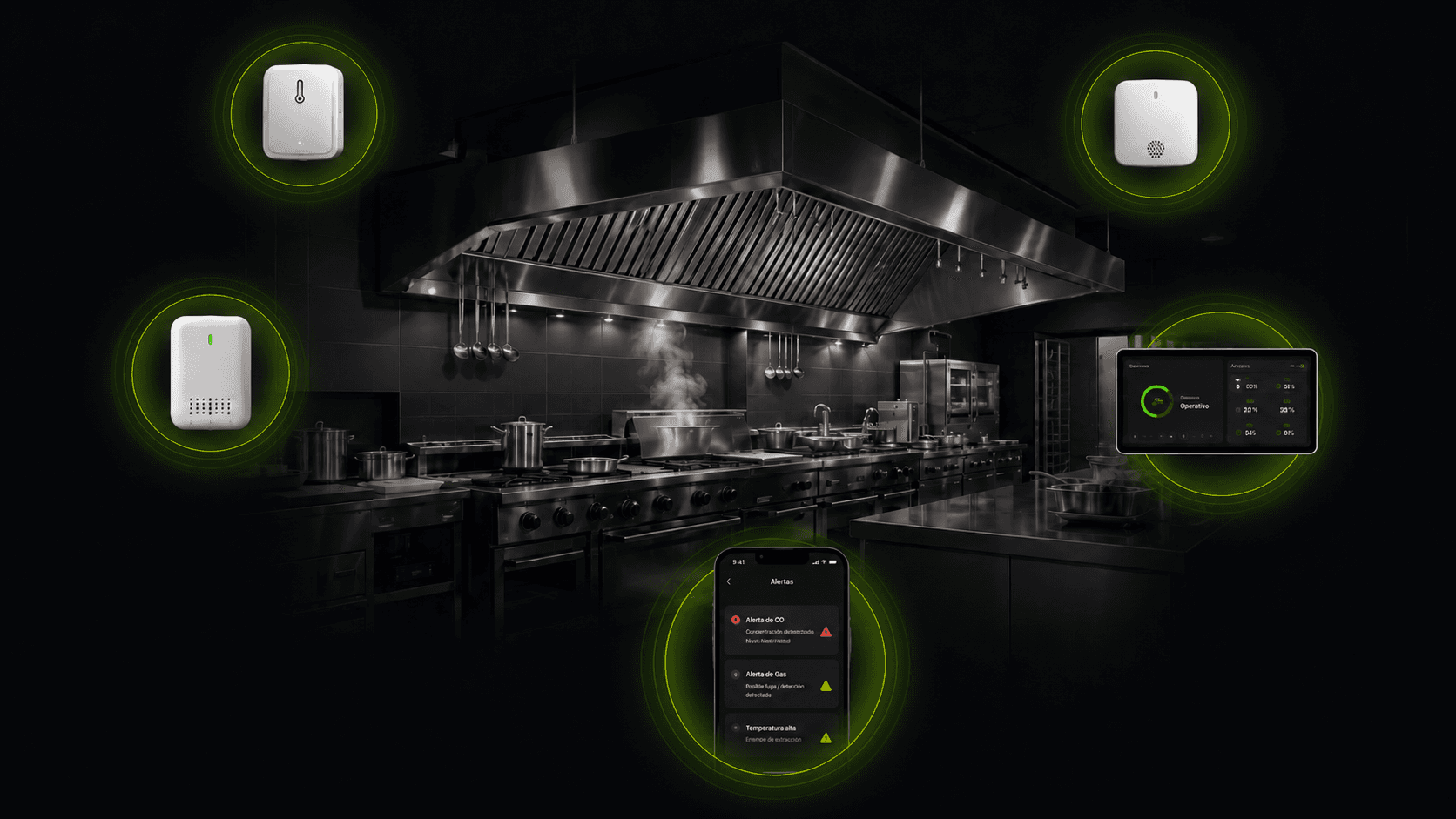
Las cocinas profesionales son uno de los ambientes con mayor riesgo de incendio. Un pequeño descuido puede poner en peligro a las personas, detener la operación y generar pérdidas económicas enormes. SAKS cambia la forma de proteger estos espacios. No es simplemente un sistema de extinción. Es una plataforma inteligente que monitorea permanentemente la cocina, detecta tempranamente condiciones anormales, identifica gases peligrosos como gas metano y monóxido de carbono y, si es necesario, actúa automáticamente: corta el suministro de gas, controla los equipos involucrados, activa la extinción y notifica el evento en tiempo real, tanto localmente como de forma remota. Todo queda supervisado desde una plataforma web o una aplicación móvil, permitiendo conocer el estado del sistema las 24 horas, los 365 días del año. En ASBA creemos que el futuro de la protección contra incendios no consiste en reaccionar cuando aparece el fuego, sino en anticiparse al riesgo. SAKS nació con esa misión: proteger vidas, garantizar la continuidad del negocio y convertir la seguridad contra incendios en un sistema inteligente y conectado.
- •Monitoreo permanente de la cocina y detección temprana de condiciones anormales
- •Detección de gases peligrosos: gas metano y monóxido de carbono
- •Corte automático del suministro de gas y control de los equipos involucrados
- •Activación automática de la extinción
- •Notificación de eventos en tiempo real, local y remota
- •Supervisión 24/7 desde plataforma web y aplicación móvil
Prevención, detección y extinción en tableros eléctricos
De acuerdo a normas NFPA 70 y NFPA 72
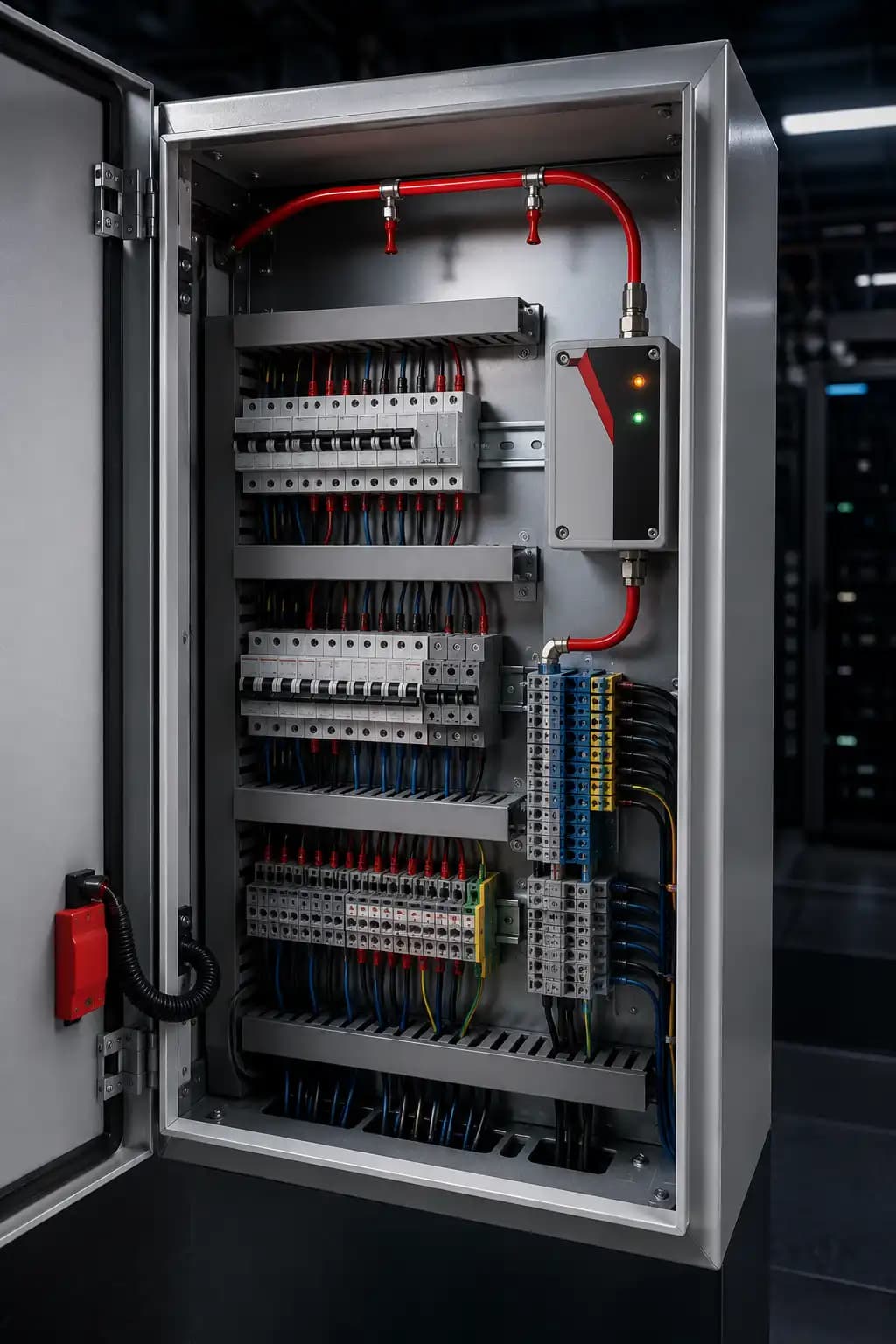
Los tableros eléctricos son uno de los principales puntos de origen de incendios en instalaciones industriales y comerciales. Un sobrecalentamiento, un arco eléctrico o una falla en un componente pueden detener una operación completa en cuestión de minutos. La mayoría de los sistemas tradicionales actúan cuando el incendio ya está desarrollado. En ASBA proponemos un enfoque diferente: prevenir, detectar y extinguir el incendio desde su origen. Combinamos monitoreo inteligente, detección ultratemprana y sistemas automáticos de extinción diseñados específicamente para tableros eléctricos, capaces de actuar en los primeros segundos del evento, minimizando daños, evitando la propagación del fuego y reduciendo al máximo el tiempo de interrupción de la operación. Nuestro objetivo no es solo apagar un incendio. Es proteger la continuidad del negocio, el patrimonio de nuestros clientes y, sobre todo, la vida de las personas.
Cámaras con IA
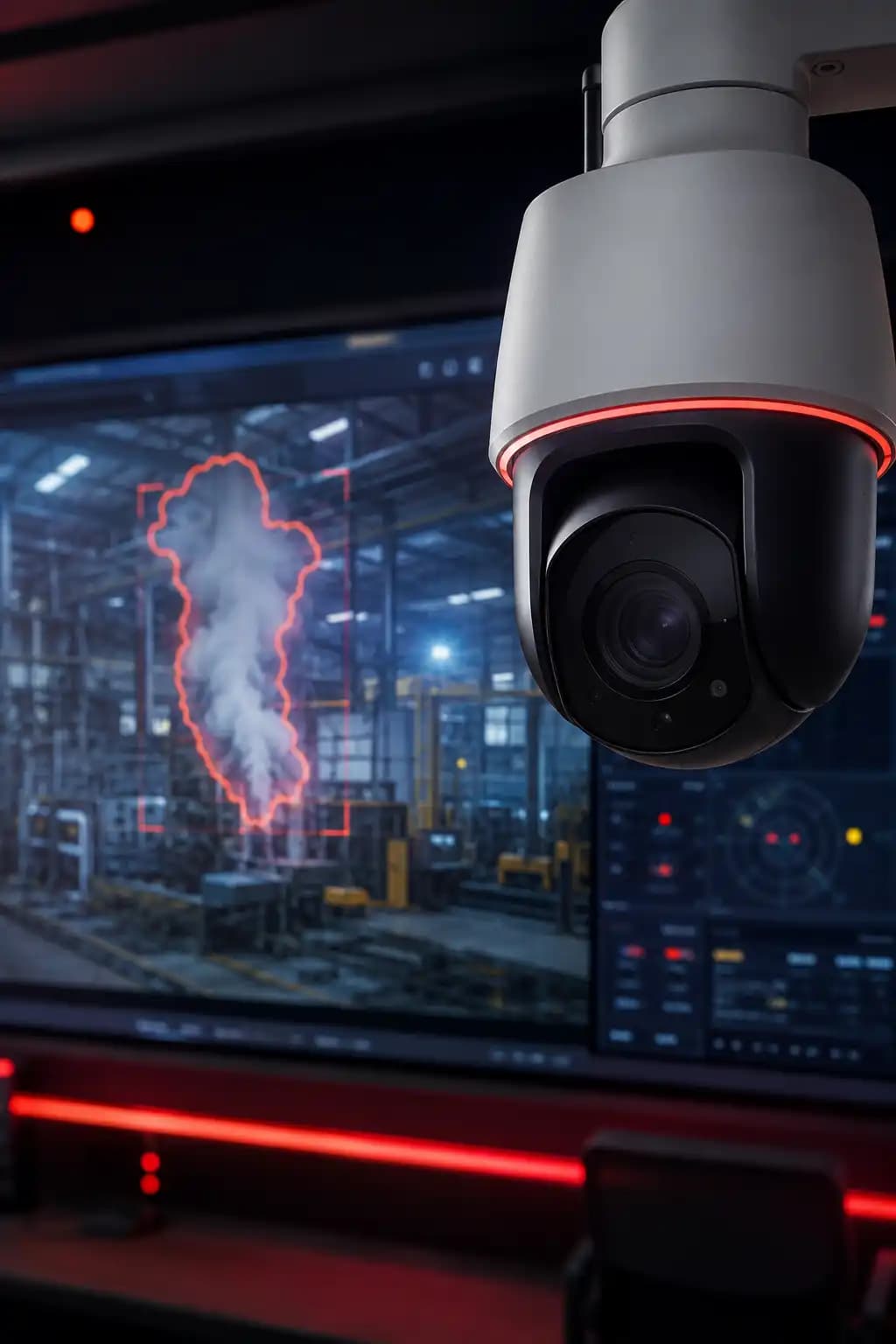
Cada minuto que pasa desde que comienza un incendio puede significar millones en pérdidas y poner vidas en riesgo. Las cámaras con inteligencia artificial representan un cambio de paradigma: en lugar de esperar que un detector convencional perciba humo o calor, analizan continuamente las imágenes del ambiente y reconocen automáticamente humo, llamas o comportamientos anómalos desde sus primeras manifestaciones. La alerta se genera en segundos, permitiendo intervenir antes de que el incendio se convierta en una emergencia. En ASBA integramos esta tecnología con nuestros sistemas de detección y extinción para ofrecer una solución completa de prevención temprana, reduciendo tiempos de respuesta, minimizando daños y protegiendo la continuidad del negocio. Porque cuando se trata de incendios, detectar unos minutos antes puede marcar la diferencia entre un incidente menor y una catástrofe.
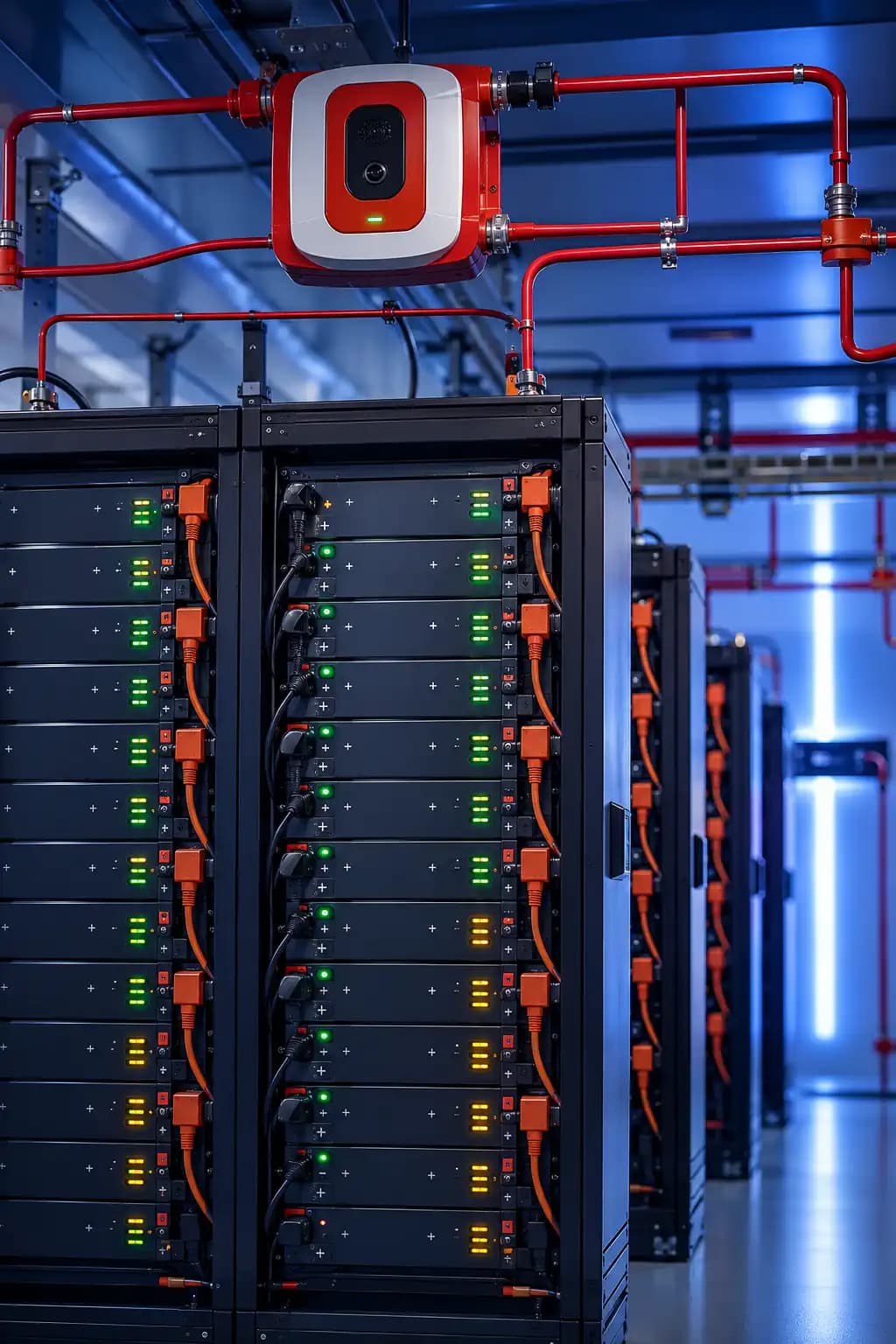
Prevención, detección y extinción de incendios en salas de servidores
Normas NFPA 70, NFPA 72, NFPA 75, NFPA 76, NFPA 2001
Las baterías de litio son hoy el corazón de la continuidad operativa de los data centers. Pero también representan uno de los riesgos más complejos: cuando comienza un Thermal Runaway, el incendio ya es muy difícil de controlar. La buena noticia es que este proceso no comienza con fuego. Comienza mucho antes, con la liberación de gases característicos que son imperceptibles para las personas y que los detectores convencionales de humo o temperatura no pueden identificar a tiempo. En ASBA incorporamos la tecnología para detectar esas emanaciones gaseosas en sus etapas más tempranas, permitiendo actuar antes de que se produzca el Thermal Runaway. Esto brinda minutos valiosos para aislar la batería afectada, detener la propagación del evento y proteger la continuidad del negocio. No esperamos a que aparezca el humo o la llama. Detectamos el problema cuando todavía es prevenible. Porque en un data center, proteger las baterías es proteger la operación completa de la empresa.